 Image 1 of 1
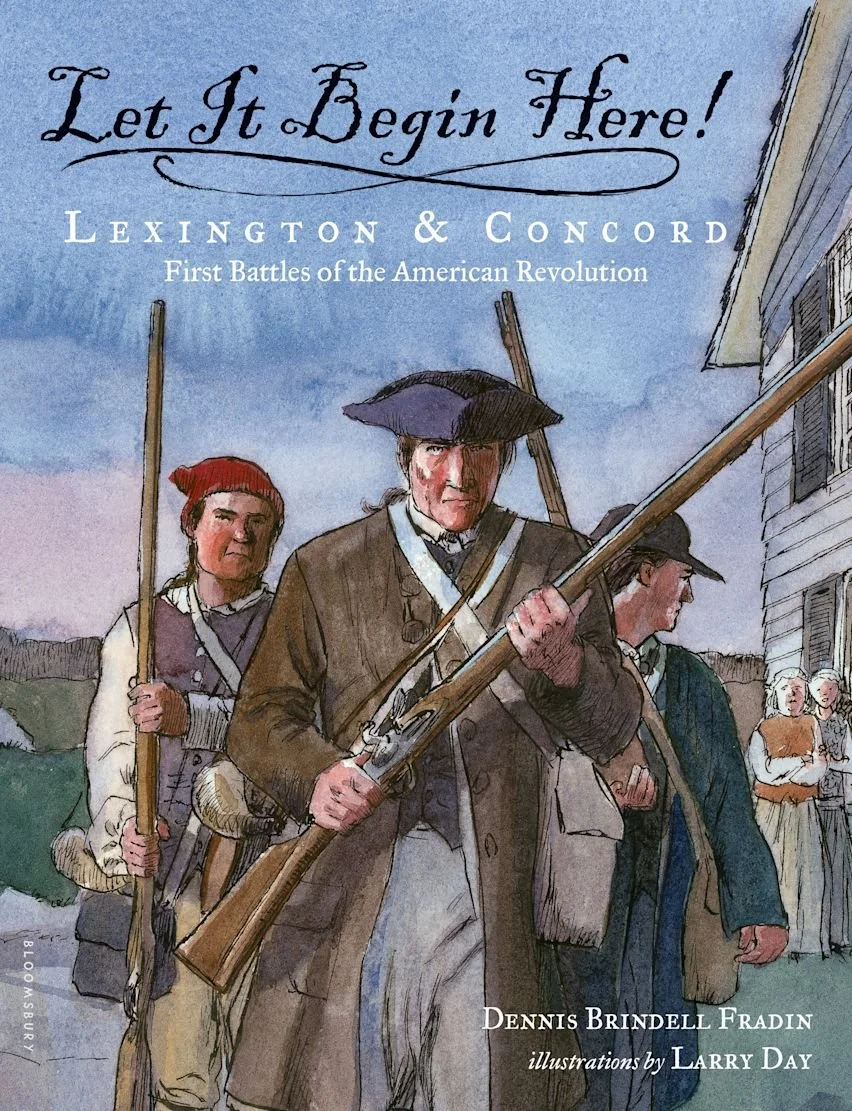
On a spring morning 250 years ago, Massachusetts militiamen stood on a green in front of a tavern in the village of Lexington, confronting British troops under the command of a crusty Marine named Maj. John Pitcairn. Many of the men were veterans of the French & Indian War, including their leader, Captain John Parker. Parker was dying of consumption.
The militia was there on April 19, 1775, to make a demonstration in response to the British column, which had marched overnight out of Boston to seize armaments accumulated in nearby Concord. Tensions were crackling between Great Britain and her American colonies, and the British were intent on confiscating the means of resistance and rebellion.
Pitcairn formed his men and ordered the Lexington militia to disperse. Many of them began slowly to fall out. Captain Parker allegedly told this collection of armed farmers and tradesmen: